

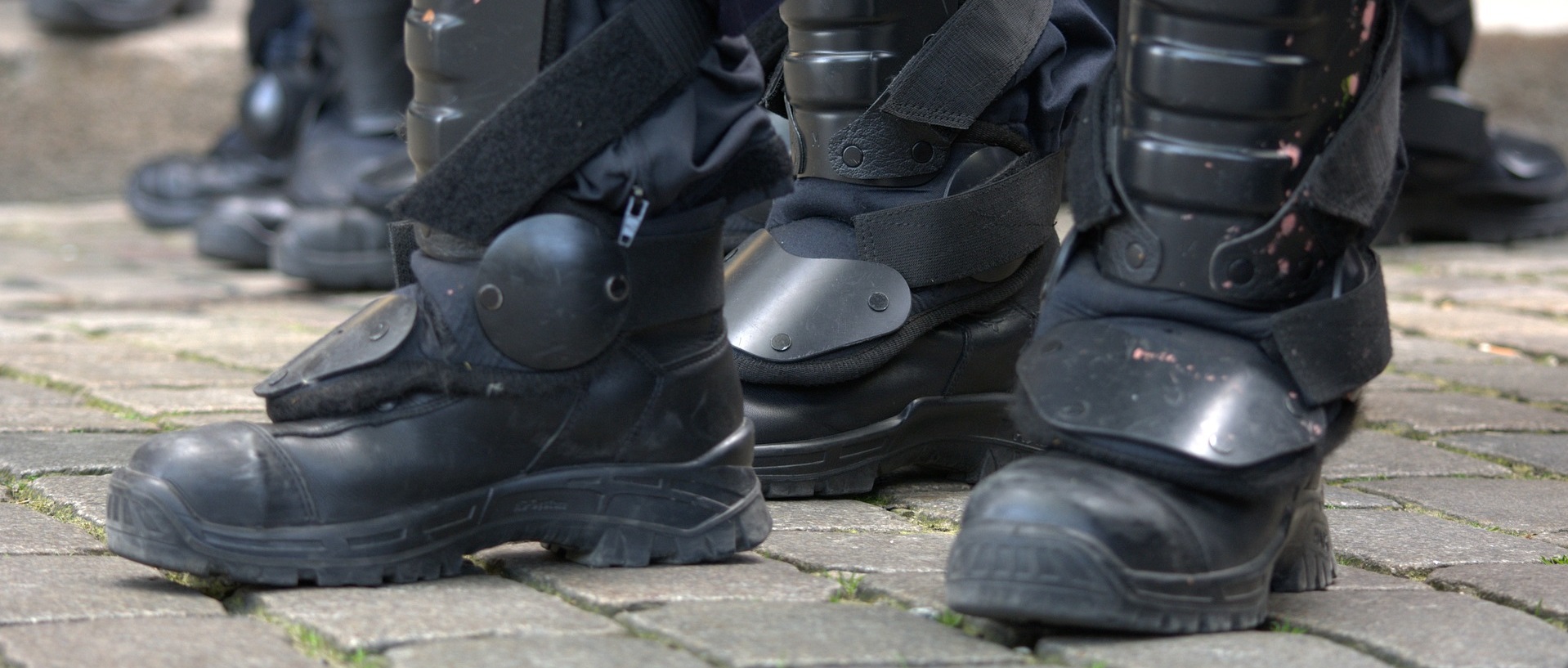
Montenegrin Protector of Human Rights and Freedoms and civil society complain of excessive force in police work.
By Mateja Agatonović (BCSP)
The Protector of Human Rights and Freedoms has significant control powers which it uses to control the police work. The oversight practice of the Protector in 2016 is more substantial than in the previous period. However, this still isn’t enough because the number of complaints pertaining to police work has slightly increased for the past few years, according to the Institute Alternative assessment report on police integrity in Montenegro.
The Protector keeps records of Police Directorates in Montenegro separate from other state administrative bodies, because of the police repressive powers, which may have an impact on the fulfillment of human rights and freedoms. Also, the National Preventive Mechanism is at disposal to the Protector in order to protect detainees from torture and other forms of cruel, inhuman or degrading treatment or punishment, which includes checks, inspections, and assessment of the situation in the authorities, institutions, and facilities holding detainees.
The problem is the lack of compliance of the Ministry of Interior and the police with the recommendations of the Protector. Institute Alternative deems the unsatisfactory. There are only two advisers responsible for the implementation of National Prevention Mechanism.
Cases of police transgressions that were most visible to the public occurred during opposition protests in the past two years.
A case involved a citizen who was beaten up by at least 14 members of the Special Anti-Terrorist Unit (SAT) during the night of the protest, on 24 October 2015. The Protector found that the actions of the police contained elements of torture and demanded that the Police Directorate and the Prosecutor’s Office carry out an effective investigation and provide preconditions for the identification of members of the SAT within a period of 15 days. Two police officers were arrested for the duration of the investigation, but long-term consequences were non-existent. Other publicized cases of excessive force during the same protests were also on beatings by police officers. The Protector found that some individuals were in violation of the law, but that police were in grave violation of human rights. Police Directorate said in a statement that all the force used in the breakup of the protests was lawful and legal.
Montenegrin Ombudsman coauthored a book with civil society, which compiles all of the reported cases of police brutality during the protests, with actions that his office has taken in the aftermath.
The Protector received 52 complaints in 2016 in regard to the work of Police Directorate, which is around 6% of the total number of complaints received (894). Compared to the previous year, the number of complaints increased by around 12%. Complaints mainly concerned non-compliance with citizens’ applications and their claims.
In 2015 there were 47 complaints concerning the work of the police, out of a total number of 641. For the purpose of comparison, in 2014 the Protector had acted based on 21 complaints, and a violation of the rights had not been established in any of them. It can see through these annual reports that the number of total complaints is increasing, but also that number of reports lodged against the police is also increasing. This doesn’t have to be defeatist finding – citizens of Montenegro could have an ever increasing trust in the Protector’s office. The number of cases without adequate epilog is what is concerning.
Institute Alternative because of that recommends a new mechanism – Protector of Human Rights and Freedoms should submit initiatives for the initiation of disciplinary proceedings against police officers or for the dismissal of members of the higher management every time he finds a violation of rights as a result of a breach of official duty. Besides this, Montenegro should envision more job positions in the National Preventive Mechanism based on the workload of the current staff.
RELATED
- The Assessment of Police Integrity in Montenegro 2016
- Seven Months without Establishing Responsibility for Possible Abuse of Power
- Clarify the Actions of the Special Antiterrorist Unit
- Challenges of Policing the Protests in Montenegro
- Excessive Use of Force Is Still Tolerated In the Montenegrin Police
Civil society organizations
dedicated to oversight of police integrity.