

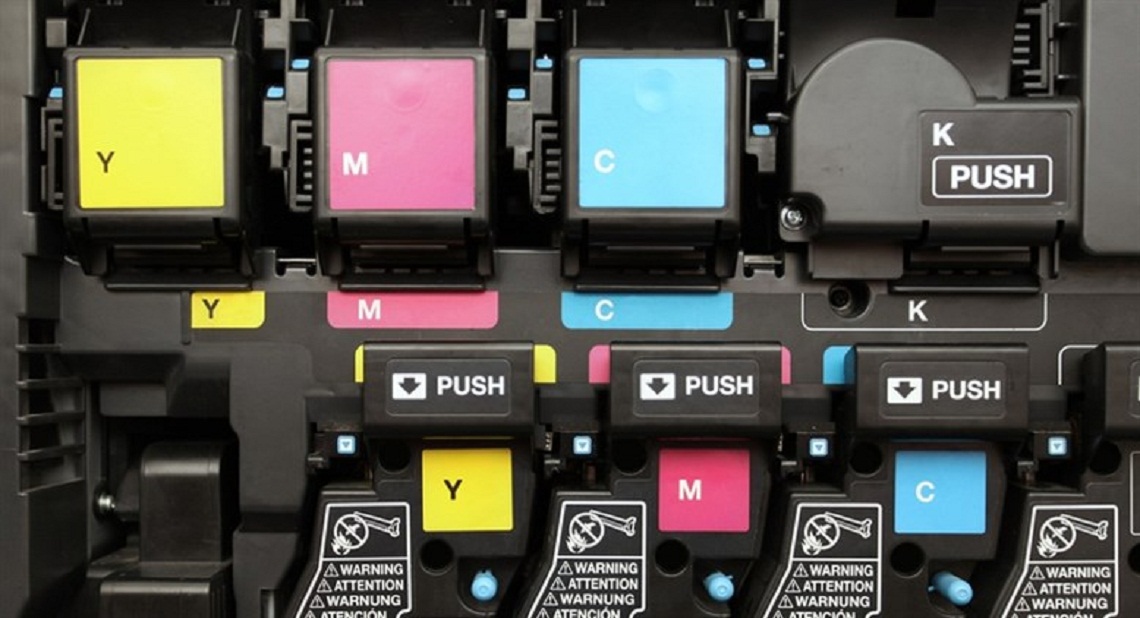

The Serbian Ministry of Interior struggled with the procurement of printing toners for more than a year.
By Andrej Stefanović (BCSP) / Photo: Market-Inspector
The three procurements of printing toners during 2015 for the Ministry of Interior of the Republic of Serbia (MoI) were marked with irregularities and illogicalities in the planning, implementation, and execution phase, it was highlighted in the latest study by the PROTECTA, civil society organization from Serbia.
The consequences of irregularities were that the MoI employees had to work for more than a year in difficult circumstances without proper printing services. Likewise, many elements of procurements directly breached cornerstone principles of the procurement system in Serbia: competition, non-discrimination, and protection of bidders.
The First Knockdown
The first procurement was initiated in March 2015. It was divided among 5 parties in line with the brand of printers. The total estimated value was EUR 724,000. The tender documentation requested that bidders have to possess documentation proving that the toners are genuinely original and made by the producer of the printer from each party. This kind of demand is explicitly prohibited by the Law on Public Procurement and they breached the principles of competition and the equality of bidders.
Additionally, the MoI stipulated some other requirements. The bidders must have at least two registered vehicles and at least six employees. This can hardly be justified as reasonable in this kind of public procurement procedure. In the end, the procedure was annulled by the Republic Commission for the Protection of Rights in Public Procurement Procedures.
This first procurement also outlined the problem of what kind of toners are really necessary for the MoI. Even though original toners were requested in the procurement, over the years it has become a commonplace, especially for big institutions and systems, to use recycled toners, which are in their features almost or completely the same as original toners but cost at least 50-60% less. Likewise, the procurement of recycled toners is more in tune with environment protection, since it reduces the amount of plastic waste.
The Second Partial Knockdown
The second procurement procedure commenced in July 2015, but the documentation was almost identical to the previous procedure. The changes were superficial as this time it was requested that the bidders do not have to prove their merchandise is original. However, the bidders need to have a confirmation of the producer stating that the toners are compatible with their printers. Nevertheless, the result was the same, and whether the producer would actually provide such a confirmation depended on their own free will.
The MoI reviewed its documentation and made a significant step forward since some of the interested parties’ submitted complaints. They allowed bidders to enter the competition with recycled toners as well, but only those that were certified and that fulfilled certain ISO standards. However, other problems remained, as the deadline for submitting bids was moved four times. In the end, framework contracts were signed for three out of five parties.
Further problems arose with the next procurement that was set up in order for procuring goods from the two parties pending from the last procedure. Now, the MoI wanted to initiate a negotiating procedure with certain bidders, without publishing a call for bids. Even though the Public Procurement Office issued a negative opinion, the MoI pushed ahead anyway and launched the negotiations with one firm only. Expectedly, a complaint was submitted by a potential bidder, and the Commission for the Protection of Rights in Public Procurement Procedures once again annulled the procedure.
The Penny Drops: the Ministry Finally Understand
Finally, in January 2016 the MoI returned to the open procedure of procurement of the remaining amount of toners, with the estimated value of EUR 330,000 (39.6 million dinars). The contracts were signed in April, more than a year after the first procurement procedure was announced, with the Commission having to stop the procedure on two occasions, with the total number of complaints submitted to the Commission for the Protection of Rights being as high as six.
The procurement of toners by the MoI shows how much damage can be produced by a procurement procedure that is filled with irregularities and illogical elements. Not only did MoI increase its costs and expenses by demanding only original toners, but by prolonging the procurement procedure so much, it actually endangered the everyday functioning of some of its units, especially those that are in charge of issuing personal documents, licenses, and permits.
The performance assessment of printing toners procurement was done by PROTECTA, the member of the PRO-CURE network of civil society organizations, which aims at improving the performance of public procurement in the security sector through facilitating more economic, efficient and effective public spending.
Civil society organizations
dedicated to oversight of police integrity.