

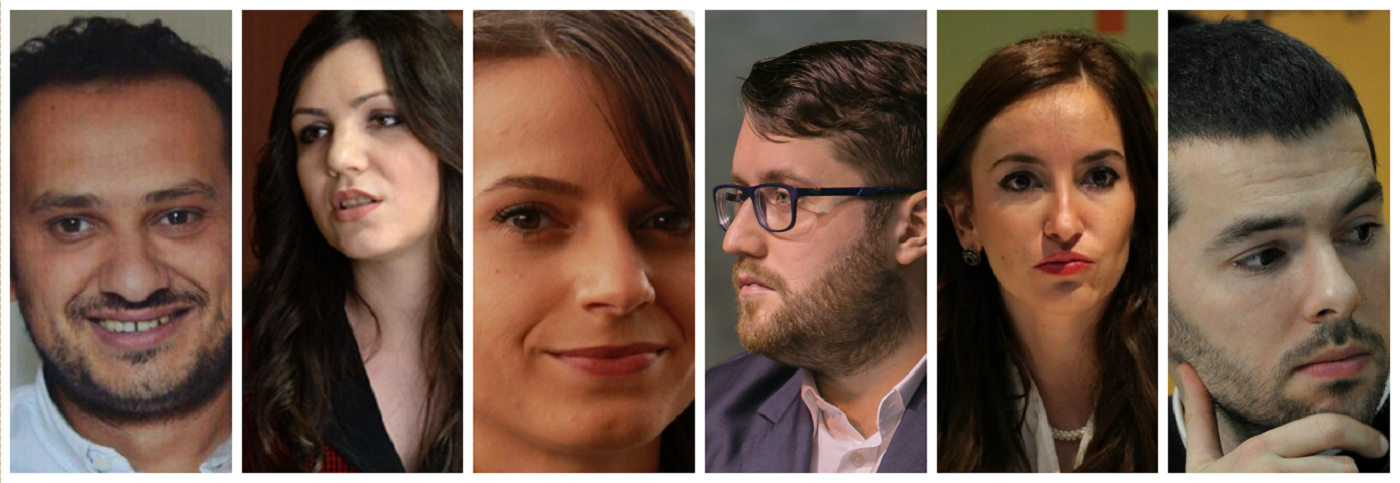
Researchers from the Western Balkans recognize difficult access to the information of public importance as the main stumbling block in their communication with the police.
By Mateja Agatonović (BCSP)
Summarizing their experiences during the conference “The Role of Civil Society in Building Police Integrity”, during which they discussed their concrete practices in dealing with the police, a pattern of similar experiences became evident.
Civil society organizations have difficulties acquiring public data regarding police work everywhere in the Western Balkans (Albania, Bosnia and Herzegovina, Kosovo, Macedonia, Montenegro, and Serbia). Ministries of Interior (MoI) adjust their communication level according to whether the results are positive or negative.
“MoI (of Serbia) recently started to treat the BCSP findings and recommendations as malicious critiques. This complicated our communication with the Ministry and made us turn more to the public as a means of achieving policy change”, stated Vladimir Erceg from Belgrade Centre for Security Policy in his interview.
Dina Bajramspahić from Institute Alternative shared a more positive experience:
“Over the years, Institute has become recognized as an organization which is critically oriented towards police, but whose aim is to help them improve its functioning. On the other hand, police in Montenegro is still under the political influence and our input sometimes remains limited due to political constraints”.
“Scheduling interviews with relevant people from the police is often a challenging and time-consuming process as the decision making within the Ministry is very centralized”, agreed Magdalena Lembovska from Skopje-based Analytica.
Researchers view regional networks dedicated to a single goal as mutually beneficial. They cite exchange of knowledge and opportunities for more visible polices as the most positive aspects of cooperation. They also agree that these forums are unique opportunities for comparative analysis of regional security institutions.
“The benefits of regional networking are multiple, as we manage to share our experience and good (and bad) practices in the region. This exchange can also give hints to issues that may be happening in your country and have not attracted your attention yet”, emphasized Sanjin Hamidičević from Centre for Security Studies.
“Benefits of CSO regional networks are in setting up a unique platform with the aim to deliver impact on police institutions towards strengthening their professionalism, accountability, and transparency through democratic oversight. Challenges of establishing cooperation between civil society and police on regional level remain”, said Plator Avdiu researcher at the Kosovar Centre for Security Studies.
Besjana Kuci, a researcher at the Tirana-based Institute for Democracy and Mediation agrees with aforementioned strengths and benefits but concludes that:
“The sustainability of these networks as an issue. Dependence mainly on international community’s financial support is also a challenge for civil society networks”.
Panelists at the conference during which all of the interviews were conducted agreed on the importance of creating regional mechanisms in establishing the integrity of the police and see a combination of transparency in police work and openness to proposals and knowledge from civil society necessary for the long-term changes.
Civil society organizations
dedicated to oversight of police integrity.